Source reusable spill proof bed urinal for travelers, campers, and bedridden users
Find 30 options for a reusable spill proof bed urinal designed for travelers, campers, and bedridden users. Compare models with volumes from 700ml to 1200ml, various certifications, and customization features to find the right fit.
Key considerations
Products List





Comprehensive Sourcing Guide
Strategic Sourcing Guide for Reusable Spill-Proof Bed Urinals
Understanding Product Specifications and Functional Design
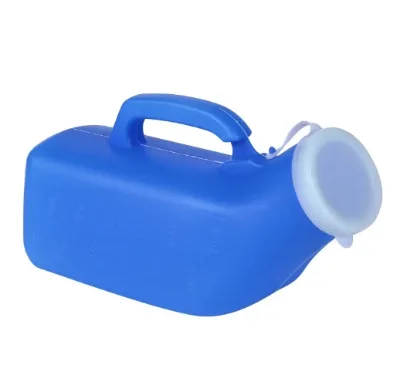
When sourcing reusable spill-proof bed urinals, buyers must first establish a clear understanding of the technical specifications that define product utility and safety. The core functionality of these devices relies on a combination of material integrity, volume capacity, and ergonomic design tailored for specific user groups. Based on available market data, the primary material composition for these units is typically high-density polyethylene (PE) or general plastic, selected for its durability, chemical resistance, and ability to withstand repeated sterilization cycles without degrading. The product attributes indicate a focus on portability, with specific dimensions such as 1110.520.5 CM noted for the 1000ml capacity variants, ensuring the device remains manageable for bedridden users and travelers alike.
Volume is a critical specification that directly impacts the frequency of emptying and the overall user experience. The observed market offerings range from 700ml to 1200ml, with specific models available in 700ml, 800ml, 1000ml, and 1200ml capacities. This range allows procurement teams to match inventory to the specific needs of their patient demographics or travel scenarios. Furthermore, the design must accommodate different user requirements, with available types including male units with covers, female units without covers, and unisex options. The presence of a cover on male models is a significant design feature intended to minimize spillage and odor, aligning with the "spill-proof" requirement of the core keyword.
Color options, ranging from translucent to white and green, are not merely aesthetic choices but often serve functional purposes in clinical settings where color coding can assist in inventory management or infection control protocols. The product features also highlight the inclusion of sensor urinals and mobile capabilities in certain advanced models, suggesting a convergence of traditional bedside utility with modern automation. However, the fundamental requirement remains the "Without Power" attribute for standard models, ensuring reliability in environments where electricity may be unavailable or unreliable. The packaging specifications, such as individual polybag wrapping or corrugated box master cartons, further influence the logistics of storage and distribution, with some units designed for blister card packaging to enhance retail presentation.
Compliance Framework and Certification Verification
In the medical and healthcare supply chain, compliance is not optional; it is the foundational element of any procurement strategy. For reusable bed urinals, the regulatory landscape is stringent, requiring verification of multiple certifications to ensure the product meets international safety and quality standards. The observed market data highlights a convergence of several critical certifications, including FDA (Food and Drug Administration), CE (Conformité Européenne), and ISO standards. Specifically, ISO 13485 is frequently cited, which is the international standard for quality management systems specific to medical devices. This certification indicates that the manufacturer has a robust system in place for risk management, design control, and post-market surveillance.
Buyers must also verify the presence of SGS certification, which provides third-party validation of product quality and safety. The combination of CE, ISO, and FDA certifications suggests that the product is suitable for both clinical and household applications, a dual-use capability that expands the potential market for the procurement. The "Medical Device Regulatory Type" is listed as Type 1, which generally implies a lower risk category, yet it still mandates strict adherence to regulatory frameworks regarding biocompatibility and sterility. The "Ethylene Oxide Sterilization" attribute is another critical compliance point, indicating that the product undergoes a specific sterilization process to eliminate pathogens before reaching the end-user. This is particularly important for reusable items that will be cleaned and reused multiple times.
The verification process should extend beyond the presence of a certificate to the validity and scope of the documentation. Buyers should request copies of the certificates and verify that the issuing bodies are accredited. The "ISO CE" standard mentioned in the data reinforces the European market compliance, while the "FDA" designation points to US market readiness. It is essential to note that while the data lists these certifications, the actual status of a specific supplier's inventory must be confirmed through direct communication and document review. The "Type 1" classification also implies that the product is subject to specific regulatory controls regarding labeling and traceability, which should be reflected in the product's documentation and packaging.
Cost Drivers and Pricing Dynamics
The pricing structure for reusable bed urinals is influenced by a complex interplay of factors, including material costs, manufacturing complexity, certification overhead, and order volume. The observed price range in the market is notably low, spanning from 0 to 6 USD per unit. This wide range suggests significant variability based on the specific model, customization level, and order quantity. The "Without Power" attribute generally keeps costs lower compared to electronic urinal systems, but the inclusion of features like sensor technology or specialized leak guards can drive the price toward the higher end of the spectrum.
Material costs are a primary driver, with the shift from generic plastic to medical-grade PE affecting the base price. The durability and sterilization resistance of the material are directly tied to its cost, as higher-grade plastics require more rigorous testing and sourcing. Additionally, the "Customization" attribute, which includes logo printing and specific color requirements, introduces variable costs. While standard white or translucent units may be priced at the lower end, custom-branded units with specific color codes or packaging requirements will incur additional charges. The "MOQ" (Minimum Order Quantity) is another critical factor, with observed ranges spanning from 10 to 100,000 units. Higher MOQs typically result in lower per-unit costs due to economies of scale, whereas small orders, such as those for samples or pilot runs, will carry a premium.
The "Factory or trade company" distinction also impacts pricing. Direct factory sourcing often offers more competitive pricing by eliminating intermediary margins, but it may require higher MOQs and longer lead times. Trade companies, on the other hand, may offer more flexibility in order sizes and faster delivery but at a higher cost. The "Our service: Samples available" attribute indicates that buyers can test products before committing to large orders, which is a crucial cost-control measure. However, sample costs are often higher than bulk pricing. The "Packaging" options, such as blister cards versus simple polybags, also contribute to the final price, with more elaborate packaging increasing the unit cost. Buyers must balance the need for cost efficiency with the requirements for product presentation and protection during transit.
Typical Applications and User Demographics
The versatility of reusable spill-proof bed urinals makes them suitable for a diverse range of applications, from clinical environments to personal travel. The "Application" attributes explicitly list "Household" and "Clinical" as primary use cases, indicating that these devices are designed to meet the needs of both professional healthcare providers and individual consumers. In clinical settings, the "Bedridden Users" demographic is the primary target. These patients require reliable, hygienic, and easy-to-use solutions for personal hygiene that do not require them to be moved from their beds. The "Portable" advantage is particularly valuable here, allowing caregivers to transport the device easily between rooms or to different care facilities.
For travelers and campers, the "Travelers On The Go" and "Campers" applications highlight the portability and self-sufficiency of the product. The "Group: Adult" specification confirms that these devices are designed for adult users, with dimensions and volumes tailored to adult physiology. The "Reusable" feature is a key differentiator in this demographic, offering a sustainable and cost-effective alternative to disposable products. The "Leak Guard" feature is essential for all applications, ensuring that the device remains secure and spill-free during use, which is critical for maintaining hygiene and dignity.
The "Usage" scenarios also extend to emergency situations or locations with limited sanitation infrastructure. The "Mobile" feature suggests that the device can be used in various locations, not just fixed beds. The "Sensor Urinal" attribute, while less common in basic models, offers a touchless solution that can reduce the risk of cross-contamination in high-traffic clinical areas. The "Unisex" design further broadens the applicability, allowing a single inventory to serve a mixed-gender population, which is beneficial for shared living spaces or temporary care facilities. The "Ethylene Oxide Sterilization" ensures that the device is safe for use in environments where infection control is paramount, making it suitable for hospitals, nursing homes, and home care settings.
Supplier Evaluation and Sourcing Strategy
Evaluating suppliers for reusable bed urinals requires a rigorous approach that goes beyond price comparison. The "Factory or trade company" attribute is a starting point, but buyers must delve deeper into the supplier's capabilities, production capacity, and quality assurance processes. A direct factory relationship often provides better control over the supply chain, but it requires a higher level of engagement and potentially larger order volumes. Trade companies may offer more flexibility and a broader product range, but they may not have the same level of control over manufacturing quality.
The "Certification" status is a primary filter for supplier evaluation. Buyers should verify that the supplier holds valid FDA, CE, and ISO 13485 certifications, and that these certifications are current and cover the specific product models being sourced. The "Our service: Samples available" attribute is a positive indicator of a supplier's willingness to engage and demonstrate product quality. Buyers should request samples to test the "Leak Guard" functionality, the "Sterilization" effectiveness, and the overall durability of the "Plastic" or "PE" material. The "Logo" and "Customization" options also provide insight into the supplier's flexibility and ability to meet specific branding requirements.
The "MOQ" range of 10 to 100,000 units suggests that suppliers cater to a wide range of buyers, from small retailers to large healthcare institutions. Buyers should align their order volume with their storage capacity and cash flow, while also considering the potential for future growth. The "Location" attribute, specifically "Shanghai China" and "China," indicates that the majority of suppliers are based in China, which is a major manufacturing hub for medical devices. Buyers should be aware of potential logistics challenges, such as shipping times and customs regulations, when sourcing from this region. The "Lead time" is not explicitly provided in the data, but buyers should expect standard lead times for medical device manufacturing and request specific timelines during negotiations.
Quality Control and Long-Term Procurement Considerations
Quality control is paramount in the procurement of reusable medical devices, as any failure can have serious health implications. The "Sterilization" attribute, specifically "Ethylene Oxide Sterilization," must be verified through batch testing to ensure that the sterilization process is effective and consistent. The "Anti-Leak" feature should be tested under various conditions to confirm that the device remains secure during use and transport. The "Material" composition, whether "Plastic" or "PE," should be tested for durability and resistance to repeated cleaning and sterilization cycles. The "Product Name" and "Model" numbers, such as "JLY-PU-033" and "JLY-PU-021," should be used to track specific batches and ensure traceability.
Long-term procurement considerations include the availability of spare parts, the consistency of product quality over time, and the supplier's ability to scale production. The "Customization" attribute suggests that suppliers can adapt to changing market needs, but buyers should ensure that the customization process does not compromise quality. The "Packaging" specifications, such as "1 pcs/pe polybag" or "Master Carton," should be evaluated for their ability to protect the product during storage and transit. The "Standard" attributes, such as "ISO CE" and "700-1700ml," provide a framework for quality benchmarks, but buyers should establish their own internal quality standards that exceed these minimum requirements.
The "Group: Adult" specification and "Volume" ranges should be monitored to ensure that the product remains suitable for the target demographic as user needs evolve. The "Feature: Reusable" aspect requires a robust cleaning and maintenance protocol to ensure the device remains safe and effective over its lifespan. Buyers should also consider the environmental impact of the product, given the "Reusable" nature, and evaluate the supplier's commitment to sustainability. The "Our service: Samples available" attribute should be leveraged to conduct long-term testing and validation before committing to large-scale orders. By focusing on these quality control and long-term considerations, buyers can ensure a reliable and safe supply of reusable spill-proof bed urinals for their specific needs.
Comparative Analysis of Product Models
To facilitate informed decision-making, it is useful to compare the key attributes of different product models available in the market. The following table summarizes the observed specifications for three distinct models, highlighting their unique features and potential applications.
| Attribute | Model JLY-PU-033 | Model JLY-PU-021 | Model t5 / y6 |
|---|---|---|---|
| Volume | 1000ml | 700-1700ml range | Variable (Standard) |
| Size | 1110.520.5 CM | Standard | M, L, XL |
| Material | Plastic | Plastic | PE |
| Certification | CE, ISO, FDA | CE, ISO13485, SGS | FDA, ISO, SGS |
| Sterilization | Sterilization | Ethylene Oxide | Ethylene Oxide |
| Type | Unisex | Male/Female/Unisex | Unisex |
| Packaging | Corrugated Box | Master Carton | Blister Card |
| MOQ | 1000 PCS | 10 PCS | 100 boxes/carton |
| Origin | Shanghai, China | China | China |
| Key Feature | Portable, Sensor | Leak Guard | Anti-Leak |
This comparison illustrates the diversity in the market, with different models catering to specific needs. Model JLY-PU-033, with its 1000ml capacity and unisex design, is ideal for general clinical use. Model JLY-PU-021 offers a wider volume range and specific sterilization methods, making it suitable for specialized applications. The t5 and y6 models, with their size variations and blister card packaging, may be better suited for retail or travel markets. Buyers should select the model that best aligns with their specific requirements for volume, certification, and packaging.
Final Procurement Recommendations
In conclusion, sourcing reusable spill-proof bed urinals requires a balanced approach that considers technical specifications, compliance, cost, and supplier reliability. Buyers should prioritize products with valid certifications, robust sterilization processes, and durable materials. The "Portable" and "Reusable" attributes are key selling points that should be leveraged to meet the needs of bedridden users and travelers. By conducting thorough supplier evaluations and quality control checks, buyers can ensure a reliable supply of high-quality products that meet their specific requirements. The observed market data provides a solid foundation for making informed decisions, but buyers should always verify the details with the supplier to ensure accuracy and compliance.
FAQs
What certifications do reusable spill proof bed urinals typically have?
These devices commonly hold FDA, CE, and ISO 13485 certifications. Some listings also include SGS verification and Ethylene Oxide Sterilization to ensure safety for clinical and household use.
How much does a reusable spill proof bed urinal cost?
The observed price range spans from 0 to 6 USD per unit. Costs vary based on volume capacity, customization options, and the specific minimum order quantity required by the supplier.
Which materials are used for these portable urinal bottles?
Manufacturers primarily use high-density PE or general plastic for durability. These materials are selected for their ability to withstand repeated sterilization cycles without degrading during use.
Can buyers request logo customization on these products?
Yes, logo customization is available for most models. Buyers can request specific branding on the device or packaging, subject to meeting the supplier's minimum order quantity requirements.
What volume capacities are available for these units?
Available volumes range from 700ml to 1200ml. Specific models include 700ml, 800ml, 1000ml, and 1200ml options to suit different user needs and portability requirements.
How are these urinals packaged for shipping?
Packaging options include individual polybags, corrugated boxes, or blister cards. Master cartons often contain 10 pieces per unit, ensuring safe transport for both clinical and household applications.